
The Cost of Invisible Failure – The Invisible Enterprise
The Cost of Invisible Failure
Most executives don’t think about their technology on good days. They think about it during outages. Or payroll failures. Or when customers begin posting screenshots on social media. Technology has become like oxygen. You only notice it when it disappears.
Here’s the quiet tragedy of enterprise IT: the most expensive failures are rarely the ones that crash your systems at 2 a.m. They are the ones that never trigger a single alert. The sluggish logins that collectively steal 11 minutes per employee per day or the backup routine that reports “success” but hasn’t restored a file in three years.
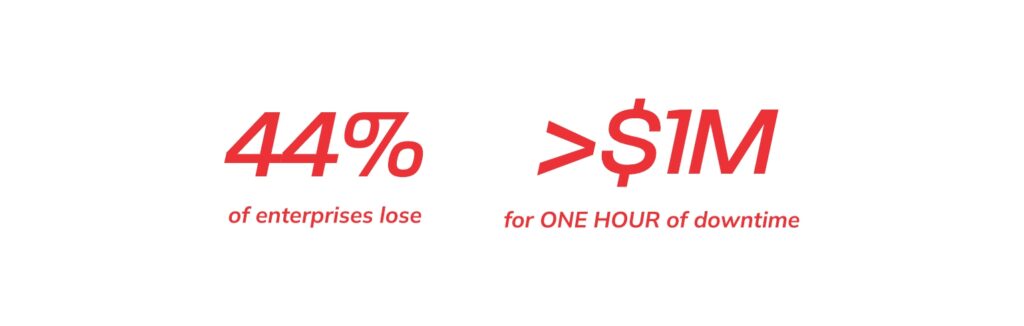
But that’s only the visible cost, the crater in the runway. Nobody calculates the cost of a runway that was never quite smooth enough for a wide-body aircraft to land. The erosion of customer trust because a payment portal felt too slow. The deal abandoned because a video call froze just as the CFO was building conviction. These are failures that leave no crater. They just quietly subtract from the top line while everyone at the Monday meeting nods that “systems are running fine.”
The tendency to obsess over the visible leads us to reward the firefighter who rescues the burning building, but never the architect who designed a building that can never be engulfed by fire. Enterprise technology suffers from the same asymmetry. The hero is the person who fixes the outage. The invisible engineering that ensures outages never happened is as unremarkable as oxygen.
The Invisible Enterprise